
Understanding Inflation Drivers in India
Learn how demand-pull and cost-push forces reshape the economy. We break down supply chain disruptions, demand pressures, and monetary responses with real data and practical insights.

What Drives Inflation in India?
Two main forces push prices up. Understanding both gives you a complete picture of economic pressures.
Demand-Pull Inflation
Too much money chases too few goods. When consumer spending outpaces available supply, prices naturally climb. This happens during economic booms when employment rises and confidence is high.
Learn MoreCost-Push Inflation
Rising production costs force prices up regardless of demand. Wages increase, raw materials get expensive, energy costs spike—and businesses pass these costs to consumers. It’s independent of how much people want to buy.
Learn MoreSupply Chain Effects
Bottlenecks ripple through the economy. When logistics networks break down—ports close, shipping delays happen, roads flood—products become scarce and expensive. India’s global trade position makes supply shocks particularly impactful.
Learn MoreFeatured Learning Guides
Start with these comprehensive resources covering the three main inflation drivers affecting India’s economy today.

Demand-Pull Inflation: When Too Much Money Chases Too Few Goods
Understand how excess demand outpaces supply, driving up prices across the Indian economy. We’ll break down the mechanism and real examples you’ll recognize.
Read Guide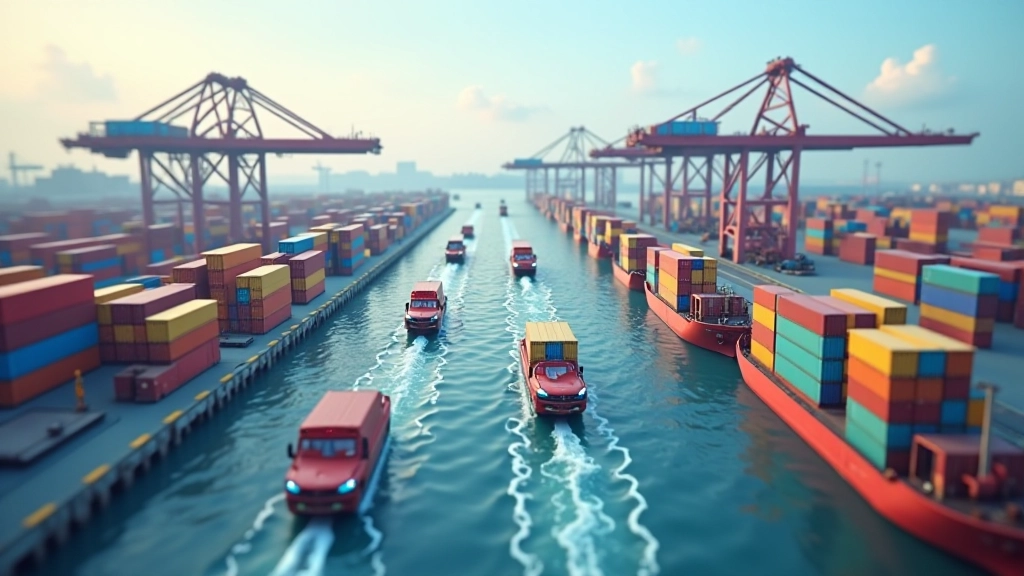
Cost-Push Inflation: How Rising Production Costs Hit Your Wallet
Learn why inflation happens when production costs rise, independent of demand. Covers wage pressures, raw material costs, and their cascade effects.
Read Guide
Supply Chain Disruptions: The Ripple Effect on Indian Inflation
Discover how bottlenecks in global and domestic supply chains amplify inflation. Real case studies from recent disruptions affecting India’s economy.
Read GuideHow to Use These Resources
We’ve organized everything to build your understanding step by step.
Start with the Basics
Begin by understanding what inflation is and why it matters. We explain the difference between demand-pull and cost-push in plain language, no economics degree required.
Explore Supply Chain Effects
Learn how disruptions in logistics networks amplify inflation. You’ll see real examples from India’s trade corridors and understand why global events affect local prices.
Understand Policy Responses
Discover how central banks respond to inflation through monetary policy. We explain interest rates, reserve ratios, and other tools used to manage price pressures.
Apply Your Knowledge
Connect theory to real events. We provide case studies and current examples so you can see how inflation drivers actually work in India’s economy today.
Why This Matters
Inflation affects everything from grocery prices to your savings. Understanding the drivers helps you make better financial decisions.
Daily Life
When you understand inflation, price changes at the market make sense. You’ll see why groceries cost more and how long it might last.
Personal Finance
Inflation erodes savings. Knowing the drivers helps you make smarter choices about where to keep your money and what returns you should expect.
Business Planning
Entrepreneurs use inflation forecasts to set prices and manage costs. Understanding the mechanisms helps you anticipate market shifts.
Investment Strategy
Different assets perform differently during inflation. When you know what’s driving prices, you can protect your portfolio more effectively.
Frequently Asked Questions
Get answers to the questions people ask most about inflation in India.
Is demand-pull or cost-push inflation worse?
Both create problems, but differently. Demand-pull suggests the economy’s strong, so it’s often temporary. Cost-push is trickier—it happens even when growth is weak, making it harder for policymakers to address without slowing the economy.
How do supply chain disruptions affect inflation in India specifically?
India depends heavily on global trade. When ports close or shipping delays happen, import costs rise immediately. Since many Indian industries rely on imported inputs, these costs ripple through to consumers quickly. Manufacturing, chemicals, and energy sectors are hit hardest.
What can the Reserve Bank of India do about inflation?
The RBI uses interest rate changes and reserve requirements to manage money supply. Higher rates make borrowing expensive, which cools demand-pull inflation. But they’re less effective against cost-push inflation, which requires supply-side solutions.
How long does inflation usually last?
It depends on the cause. Demand-pull inflation often corrects itself as higher prices reduce demand. Cost-push inflation persists longer because production costs don’t fall quickly. Supply chain disruptions typically resolve within months to a year, though effects linger.
Can we predict when inflation will happen?
Partially. Economists monitor leading indicators like money supply, credit growth, and commodity prices. But unexpected events—geopolitical shocks, natural disasters, pandemics—create surprise inflation. That’s why understanding the mechanisms matters more than perfect prediction.
Why do wages and prices seem to chase each other during inflation?
It’s a feedback loop. When prices rise, workers demand higher wages to maintain purchasing power. Higher wages increase business costs, pushing prices up further. Breaking this cycle requires either lower demand or improved productivity.
What We Offer
Comprehensive educational materials designed to build your understanding of inflation drivers from the ground up.
Detailed Guides
In-depth articles explaining demand-pull inflation, cost-push mechanisms, and supply chain effects. Each guide breaks complex concepts into digestible sections with real examples from India’s economy.
Data Analysis
Access to curated economic data showing inflation trends, supply chain metrics, and price movements. We explain what the numbers mean and why they matter for understanding current conditions.
Case Studies
Real-world examples of inflation in action. Learn from recent disruptions, policy responses, and market adjustments. These case studies show how theory plays out in India’s actual economy.
Expert Insights
We don’t just explain concepts—we show how economists and policymakers interpret inflation signals. You’ll learn the thinking behind monetary policy decisions and economic forecasts.
Ready to Deepen Your Understanding?
Start with our core guides and build your knowledge at your own pace. All resources are available 24/7.
Browse All ResourcesQuestions About Inflation Drivers?
Whether you’re a student, investor, business owner, or just curious about how the economy works, we’re here to help you understand. Send us your questions and we’ll provide clear, detailed answers.